

Introduction
Nootropics—often called smart drugs or brain supplements—have been gaining traction in recent years. More students, entrepreneurs, and creative professionals use them to support concentration, memory, and mental energy*. But what exactly are nootropics, how do they work, and—just as important—what should you realistically expect?
In this guide, we unpack the world of nootropics: where they come from, how they may work, the main types, and the science behind them. We’ll also look at how a modern, carefully formulated blend like Neurvana Brain Optima compares to single‑ingredient approaches.
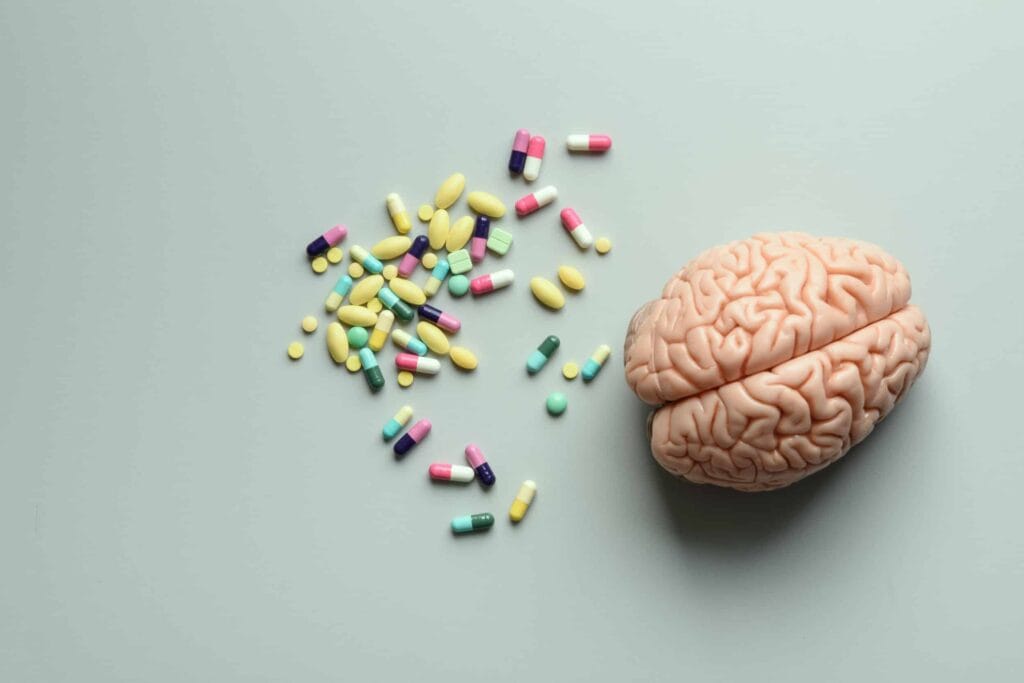
The Different Types of Nootropics
1) Synthetic nootropics
These are lab‑developed compounds. Examples include racetams (e.g., piracetam) and modafinil. While some are known for noticeable effects, synthetic nootropics come with clear caveats: many are prescription‑only or legally restricted, long‑term safety in healthy users is less established, and side effects (insomnia, nervousness, palpitations, tolerance/dependence) warrant medical oversight.
Neurvana deliberately does not include synthetic nootropics. We focus on natural nootropics (herbs, mushrooms, nutrients) because we believe in nature‑powered formulas with safety profiles appropriate to food supplements.
2) Natural nootropics
Botanical extracts, functional mushrooms, and nutrients studied for cognitive support, for example:
- Lion’s Mane (Hericium erinaceus) – researched for NGF (nerve growth factor) support and neuroprotective properties.*
- Bacopa monnieri – long used in Ayurveda; studies suggest improvements in memory and learning with consistent use.*
- Rhodiola rosea – an adaptogen studied for mental fatigue and stress.*
- CDP‑choline (Citicoline) – supports acetylcholine, a neurotransmitter critical for memory and focus.*
- Pine bark extract – antioxidant‑rich; studied for circulation and brain function.*
These natural options often form the backbone of modern nootropic formulas because they’re better suited to long‑term use with favorable safety profiles.
3) Nutrients with a nootropic effect
Certain vitamins and fats also play a role in cognitive function, such as:
- Vitamin B complex – involved in energy metabolism in the brain.
- Zinc – contributes to normal cognitive function.
- Omega‑3s (DHA) – essential for brain‑cell structure.
How Do Nootropics Work?
- Neurotransmitters: support for acetylcholine (memory/focus) and modulation of dopamine/noradrenaline (motivation/alertness).
- Neuroplasticity: research into NGF/BDNF pathways (neuronal growth and synapse formation), especially for mushrooms like Lion’s Mane.
- Blood flow & oxygenation: polyphenols (e.g., from pine bark) are researched in relation to microcirculation.
- Stress response (adaptogens): herbs such as Rhodiola are studied for mental fatigue and stress adaptation.
- Antioxidant protection: neutralizing oxidative stress (e.g., phenols, OPCs) to support cellular health.
(Potential mechanisms; individual responses vary.)
What Can You Expect from Nootropics?
✅ Short‑term effects
Some nootropics can be noticeable within hours or days. Examples include Rhodiola (less mental fatigue*) or choline sources (better concentration*).
✅ Long‑term effects
Other compounds—such as Bacopa monnieri or Lion’s Mane—tend to show effects with consistent use over weeks to months, aiming at structural support for memory, learning, and neuroplasticity*.
Who Are Nootropics For?
The popularity of nootropics has surged—and for good reason. In a world where mental performance and sustained focus matter more than ever, many people look for natural ways to support their brain. Who might benefit most?*
- Students and pupils: often during intense study periods or exams. Ingredients like Bacopa monnieri and CDP‑Choline are researched for roles in memory and learning, relevant to anyone processing and retaining lots of information.
- Entrepreneurs and knowledge workers: focus, productivity, and mental energy are key. Compounds like Rhodiola rosea and Pine Bark Extract are used to fight fatigue and keep the mind clear during long workdays or busy stretches.
- Older adults: with age, memory concerns become more common. Research on Lion’s Mane suggests it may support neuroplasticity—the brain’s ability to form new connections—making nootropics interesting for seniors who want to maintain mental vitality.
- Athletes and performers: not just for “thinkers.” Some athletes and musicians use nootropics to support the mental side of performance—focus under pressure or resilience on stage.
- Biohackers and optimization enthusiasts: for this group, nootropics are often a core tool. It’s not only about studying or focus, but about sustainably improving cognitive performance and extending mental vitality over the long term.
In short, nootropics can be relevant to a broad audience—from students to entrepreneurs, from seniors to athletes—with the shared goal of giving your brain a helpful nudge where you need it most.
How to Choose a Quality Nootropic Supplement
The market has exploded in recent years—but not all products are created equal. If you want a supplement that truly supports your brain, consider the following:
1) Transparency & formulation
A trustworthy supplement lists ingredients clearly, including exact doses. Avoid products that hide behind proprietary blends without quantities. Transparency is critical for both quality and safety.
2) Standardized extracts
Botanicals and mushrooms can vary by batch. Choose supplements standardized for active constituents (e.g., Bacopa monnieri at 55% bacosides or Pine Bark at 95% proanthocyanidins) so you know you’re getting consistent potency.
3) Certifications & quality control
Look for marks such as GMP or HACCP. Even better: when the producer can provide lab reports (COAs) confirming the product is free from heavy metals and contains exactly what the label claims.
4) Synergy of ingredients
A strong formula combines compounds that complement each other. Neurvana Brain Optima is a good example: it includes Lion’s Mane, Bacopa monnieri, Rhodiola rosea, CDP‑Choline, and Pine Bark Extract. Together they support both short‑term focus and long‑term brain health.
Follow these points and you can confidently choose a supplement that supports a sharp, vital brain—today and over the long haul.
Frequently Asked Questions (FAQ)
- What exactly are nootropics? Nootropics are compounds that support cognitive function*. They’re often used for concentration, memory, focus, and mental energy*. They include both natural substances (such as herbs and mushrooms) and synthetic variants.
- Are nootropics safe for daily use? Most natural nootropics (such as Lion’s Mane, Bacopa, and Rhodiola) are considered safe in research when used appropriately. It’s important to choose reputable products and follow recommended doses. When in doubt, consult a physician—especially if you take medication.
- How quickly will I notice effects? It depends on the type. Some act quickly (e.g., Rhodiola for mental fatigue*), while others are noticeable only after weeks of consistent use (e.g., Bacopa monnieri or Lion’s Mane). With blends like Neurvana Brain Optima, you may experience both short‑ and long‑term effects.
- Can nootropics help with stress and mood? Certain nootropics influence the stress response. Adaptogens like Rhodiola rosea are studied for reducing mental fatigue and supporting resilience*. Others, like Lion’s Mane, are linked to neurotrophins and mood pathways, though human research is still limited.
- Are nootropics legal in Europe? Natural nootropics are legally available as food supplements. Some synthetic variants fall under medicines law and are prescription‑only or not permitted. Products like Neurvana Brain Optima fall under legal food supplements and comply with European regulations.
- Which nootropics are most researched? Common and well‑researched natural nootropics include Lion’s Mane (Hericium erinaceus), Bacopa monnieri, Rhodiola rosea, CDP‑Choline, and Pine Bark Extract—which is why they’re featured in Neurvana Brain Optima.
Conclusion
Nootropics are a fascinating way to support the brain. From acute focus and mental energy to structural support for memory and neuroplasticity*, the possibilities are broad.
With a carefully designed formula like Neurvana Brain Optima, you benefit from several well‑studied ingredients in one synergistic blend. Combine it with healthy lifestyle habits, and you lay a strong foundation for a sharp, vital brain—now and in the future.
*Health claims pending approval by the European Commission.